
Most MVPs and web apps take 8–14 weeks. Larger platforms with admin panels, AI features and integrations take 12–20 weeks. We share a week-by-week plan before kickoff, so you know what ships when.
Services · Web & app engineering
Web and mobile app development services
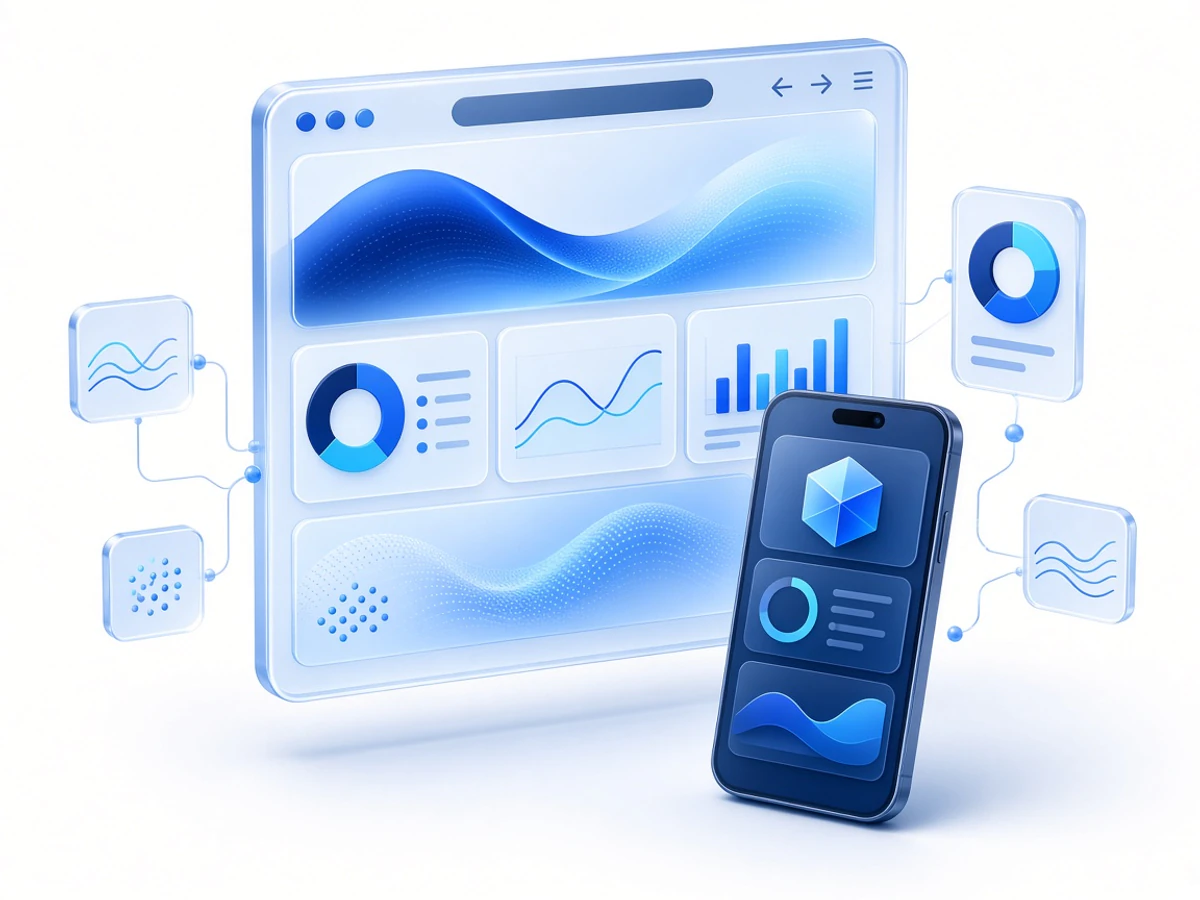
We design and build web applications, SaaS platforms, customer portals and mobile apps: the screens your customers use, the admin panel your staff run the business from, and the API in between.
Overview
Software your customers and staff log into every day
Most of our projects start when a business has outgrown spreadsheets, a website template or a tool that almost fits. We build the product around the way your team actually works, and connect it to the payments, email and services you already use.
Everything is written in TypeScript on Next.js and Node.js, so one team owns the whole build. You see a working version every week instead of a demo at the end, and the code, designs and documentation are yours at launch.
Problems this service solves
Work is stuck in spreadsheets and chat
Orders, bookings or approvals live in shared sheets and message threads, so nobody sees the current status and mistakes surface late.
Off-the-shelf tools almost fit
You pay for several subscriptions and still copy data between them, because none of them matches how your business runs.
An existing app is slow or hard to change
Pages load slowly on phones, small changes take weeks, and the original developers are no longer around to explain the code.
An idea needs a first release
You need a version people can sign up to and use, without a long build that tries to do everything at once.
How we solve them
Start from the workflow
We map who does what, and in which order, before designing screens. The first release covers the loop people repeat every day; extra roles and integrations follow once that loop is in use.
One team across the stack
Front end, API, database and admin panel are built by the same engineers, so nothing is lost between agencies.
A working build every week
You review the real product as it grows, not slides, and can change direction while it is still cheap to do so.
Built to be maintained
Typed code, a readable structure and documentation mean your own team, or another vendor, can extend the product after launch.
What's included
Web applications and SaaS platforms
Customer dashboards, booking and order systems, and multi-user products with accounts, roles and billing.
Mobile apps
A responsive web app when the workflow is still changing; a cross-platform store app when the product needs the camera, offline use or push notifications.
APIs, back ends and integrations
REST and GraphQL APIs, databases, payment gateways, email and the third-party services your business already relies on.
Admin panels and content management
Tools your staff use to manage orders, content, users and reports without asking a developer.
E-commerce storefronts
D2C stores with product storytelling, a fast mobile checkout and an SEO-ready structure.
Audits and rebuilds
Performance, security and accessibility reviews of an existing app, followed by fixes or a phased rebuild.
Technologies we use
- Front end
- Next.js
- React
- TypeScript
- Mobile & cross-platform
- Expo
- React Native
- Back end & APIs
- Node.js
- Express
- Prisma
- REST & GraphQL
- Data & hosting
- MongoDB
- PostgreSQL
- Cloudinary
- Vercel
- AWS
- GCP
How a web or app project runs
Discovery call
A 30-minute call about the problem, the users and the deadline, followed by a scoped proposal, usually within 2–3 business days.
Workflow and design
User flows, the data model and screen designs you can react to before the build starts.
Weekly build sprints
Features land in a working version every week, in the order agreed in the plan.
Launch and handover
Production release, monitoring, and a handover with documentation and training.
Support and iteration
An optional monthly retainer for fixes, new features and performance work.
Typical timelines: MVPs and web apps take 8–14 weeks; larger platforms with AI, admin panels and integrations take 12–20 weeks. You get a week-by-week plan before kickoff.
What you get
A product you own
Code, designs and documentation are handed over at launch. Support is optional, never a lock-in.
Fast on phones
Page speed and Core Web Vitals are checked before launch, because most users arrive on mobile.
Fewer manual steps
When the workflow lives in one system, data is entered once and everyone sees the same status.
Practical examples
How we usually approach three common requests.
SaaS MVP
The first release is the workflow people repeat: accounts, the main screens and one admin view. Extra roles and integrations wait until that loop is in use.
What changes the cost of an MVPMobile app or web app?
When the phone is the product (camera, offline use or push notifications) we build a store app. When the workflow is still changing, a responsive web app ships first and the store build follows.
Booking and tracking platforms
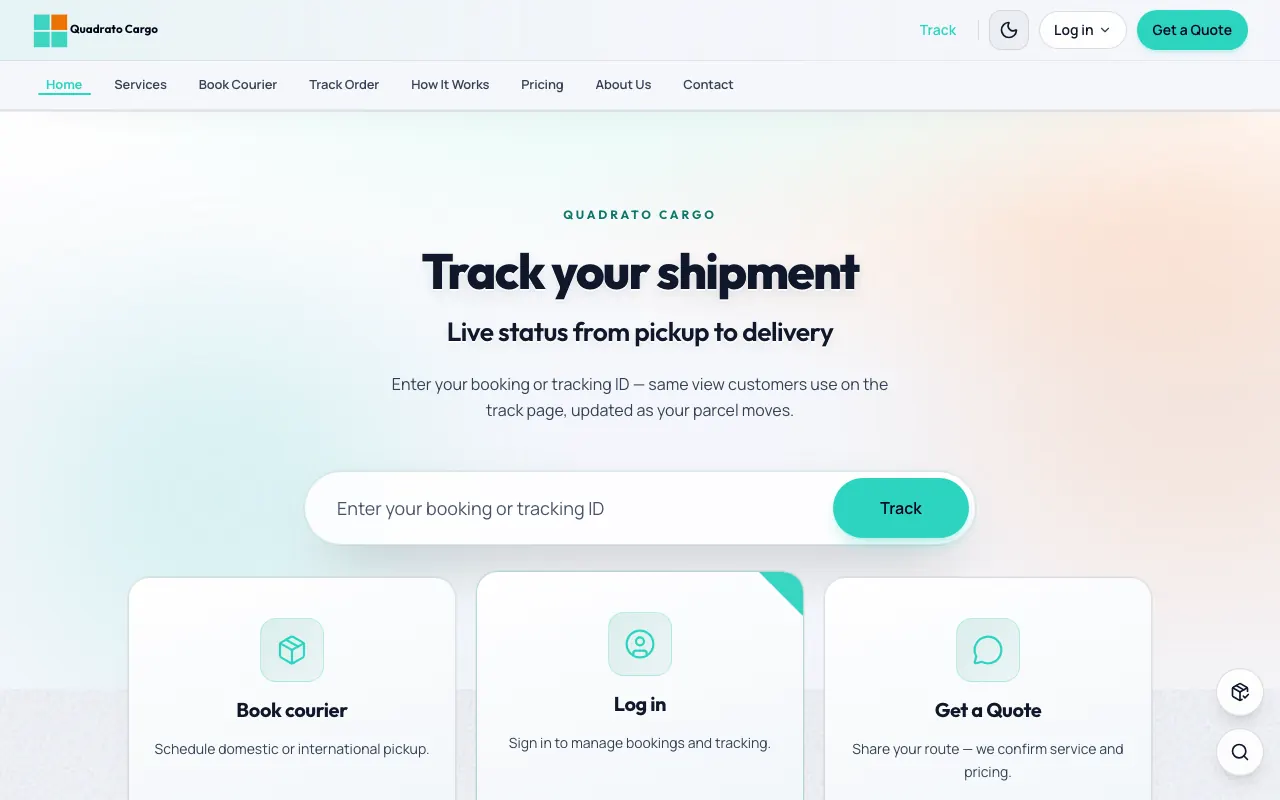
A product with bookings, live status and an operations dashboard is a web application, not a website theme. Quadrato Cargo is an example.
Quadrato Cargo case study
Web and app case studies
 Web App · LogisticsQuadrato CargoPickup booking, live shipment tracking and quote requests for an international courier.Read the case study
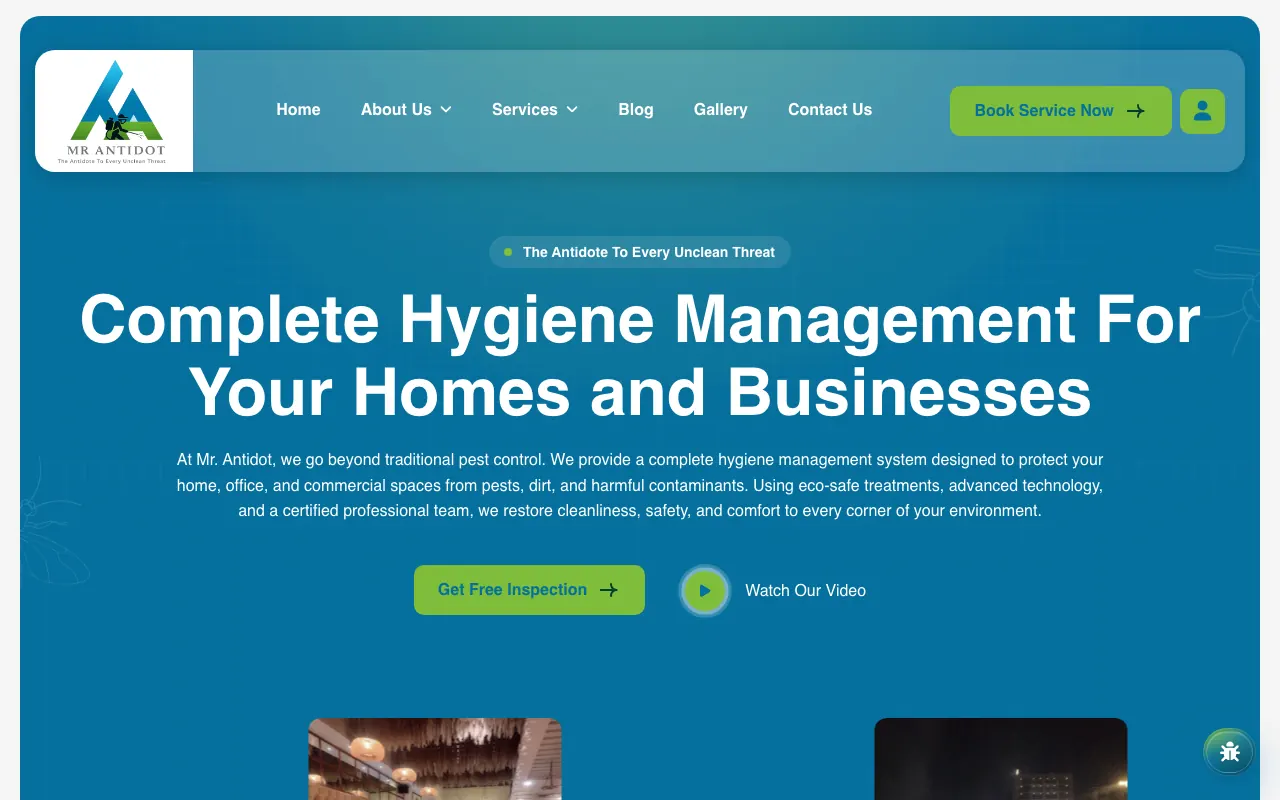
 Web App · ServicesMr AntidotService catalogue, pricing tiers, sector pages and lead capture for a hygiene and pest-control company.Read the case study
 E-commerce · D2CZeevanA D2C pantry store built with Expo, with shop filters, accounts and order tracking.Read the case study
Questions about web and app projects
Something else? Ask us directly; we reply within one business day.
Fixed-scope projects are quoted after a discovery call. Budget ranges start from ₹5L for focused builds; larger platforms are phased, so you pay for one release at a time. Every proposal lists deliverables, timeline and payment milestones.
If the product depends on the camera, offline use or push notifications, a store app makes sense from the start. If the workflow is still changing, a responsive web app ships faster and is cheaper to adjust; the store app can follow.
You do. Code, designs and documentation are handed over at launch. Support retainers are optional.
Yes. We start by reviewing the code, hosting and open issues, then recommend whether to fix what is there or rebuild in phases.
Yes. Our studio is in Gandhinagar and we work remotely with clients in India, the USA, the UK, Europe and the Middle East. Calls are scheduled in the overlap between your working day and ours.
Services that work alongside this one
Read before you start a project
Let's talk
Planning a web or mobile app?
Send a short brief. We reply within one business day with questions, a suggested first release and a timeline.
Start Your Project